
What is a Solid State Power Bank?

Solid state batteries have been grabbing attention for a few years, and now they are moving into the mainstream. Phone manufacturers, EV brands, and consumer electronics companies are all watching the space closely and for good reason.
But what does solid state actually mean? And does it change anything if you are buying a power bank?
This guide covers everything from how the technology works, the honest pros and cons, what semi-solid state is, and what to think about if you want to brand one.
How a standard battery works
Before you can understand solid state, it helps to know what is already inside a standard power bank.
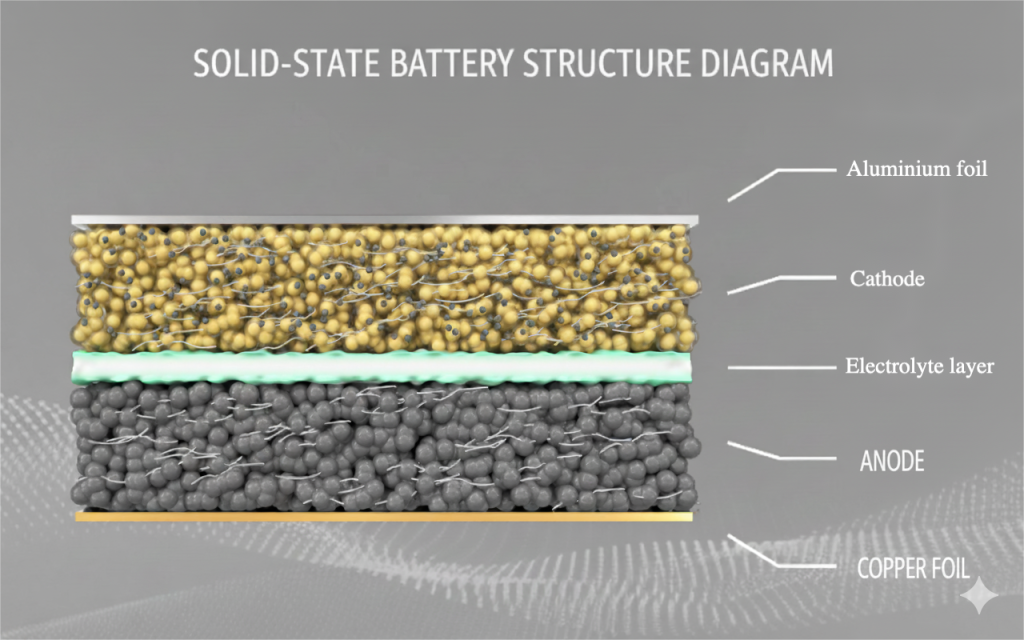
A conventional lithium-ion cell moves electrical charge between two terminals. From a positive cathode and a negative anode through a substance called an electrolyte. In lithium-ion batteries, the electrolyte is a liquid. It sits inside the cell like a chemical solution, carrying charge back and forth between the terminals. It works well. But that liquid electrolyte is sensitive to heat and ageing. It limits how tightly cells can be packed and degrades over time, which is why old phones and laptops lose battery life across hundreds of charge cycles.
What makes a solid state battery different
A solid state battery replaces the liquid electrolyte with a solid material. Usually a ceramic or polymer compound. That one change has a knock-on effect on almost everything else: safety, size, charging speed, and how long the battery lasts. The liquid is the weak point in a lithium-ion cell so if you take it out, a lot of the limitations go with it.
The pros of solid state
- No liquid electrolytes: Liquid electrolytes are a key factor in the safety challenges associated with conventional batteries. Solid electrolytes are non-combustible, reducing these risks. This is one reason the technology is being actively developed for electric vehicles, medical devices, and aviation applications.
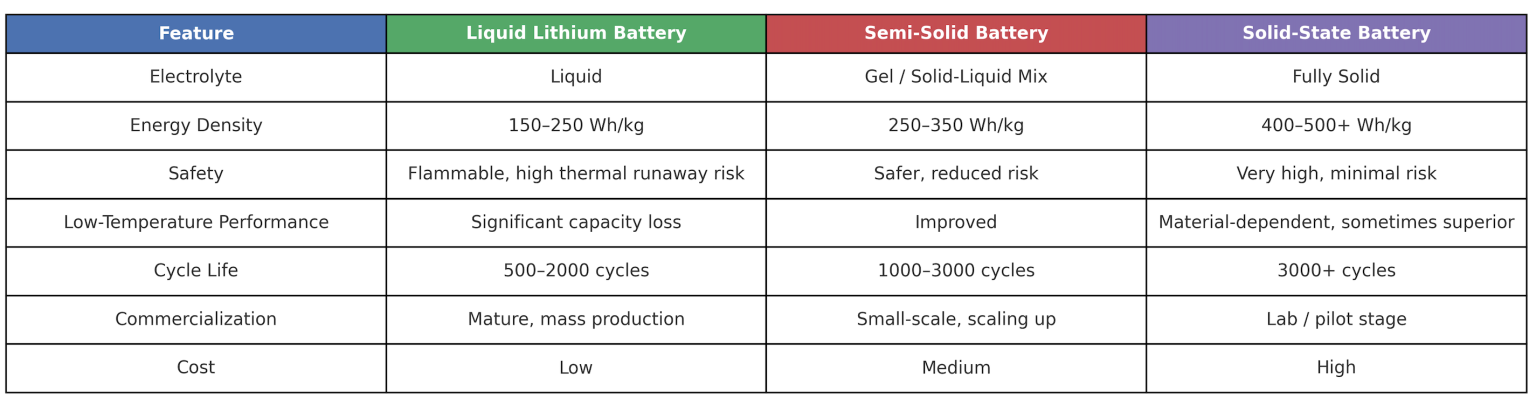
- Higher energy density: Solid electrolytes allow cells to be packed more tightly. This means more capacity in the same footprint, or the same capacity in a smaller unit. Up to 500 Wh/kg (compared to 150-250 Wh/kg for lithium-ion batteries).
- Faster charging: Solid state cells handle higher charge rates with less thermal stress. Some units already ship with USB-C outputs up to 35W, and that ceiling is expected to rise.
- Better longevity: A lot of the degradation in lithium-ion batteries happens because of chemical reactions in the liquid electrolyte. By removing the liquid, the battery holds its capacity better across hundreds of charge cycles. Can last up to 5,000 cycles before significant degradation, far outlasting traditional lithium-ion batteries (which last around 500-1,500 cycles).
The cons of solid state
Solid state has a lot of potential and is looking like it will take over the market eventually. But it is still relatively new and therefore comes with the uncertainties you'd expect.
- Higher cost: Cost is the most obvious barrier right now. Solid state and semi-solid state power banks command a 20–60% premium over lithium-ion equivalents, largely because the manufacturing is more complex and the materials involved are newer and more expensive to produce.
- Heavier than you may expect: This one surprises people. Despite the denser cell design, some solid state power banks are actually heavier than lithium-ion equivalents. The solid electrolyte material adds mass and current designs do not always
offset that. - Supply chain is still catching up: This is more relevant to full solid state than semi-solid state, but worth knowing either way. Full solid state units can be harder to source consistently, with longer and less predictable lead times than equivalent lithium-ion products.
- Limited track record. Lithium-ion has been put through decades of real-world use across billions of devices. Solid state has not. The early data is promising. Promising is not the same as proven.
What is a semi-solid state battery?
This is the option most people have not heard of, and it is currently the most commercially relevant of the three.
A semi-solid state battery (sometimes called half solid state) does not replace the liquid electrolyte entirely. Instead, parts of the internal cell structure are replaced with solid materials while some liquid is retained. The result is a battery that sits between the two extremes.
Here is why it matters: full solid state batteries require new production methods and completely different manufacturing lines. Semi-solid state allows factories to keep much of the existing lithium-ion process and gradually introduce solid components into the design.
That changes the economics significantly. Semi-solid state batteries can be produced at closer to lithium-ion cost, with more predictable supply, while still delivering real improvements in stability and energy density.
For most buyers right now, semi-solid state is where the best value-to-performance ratio sits.
How to brand a solid state power bank
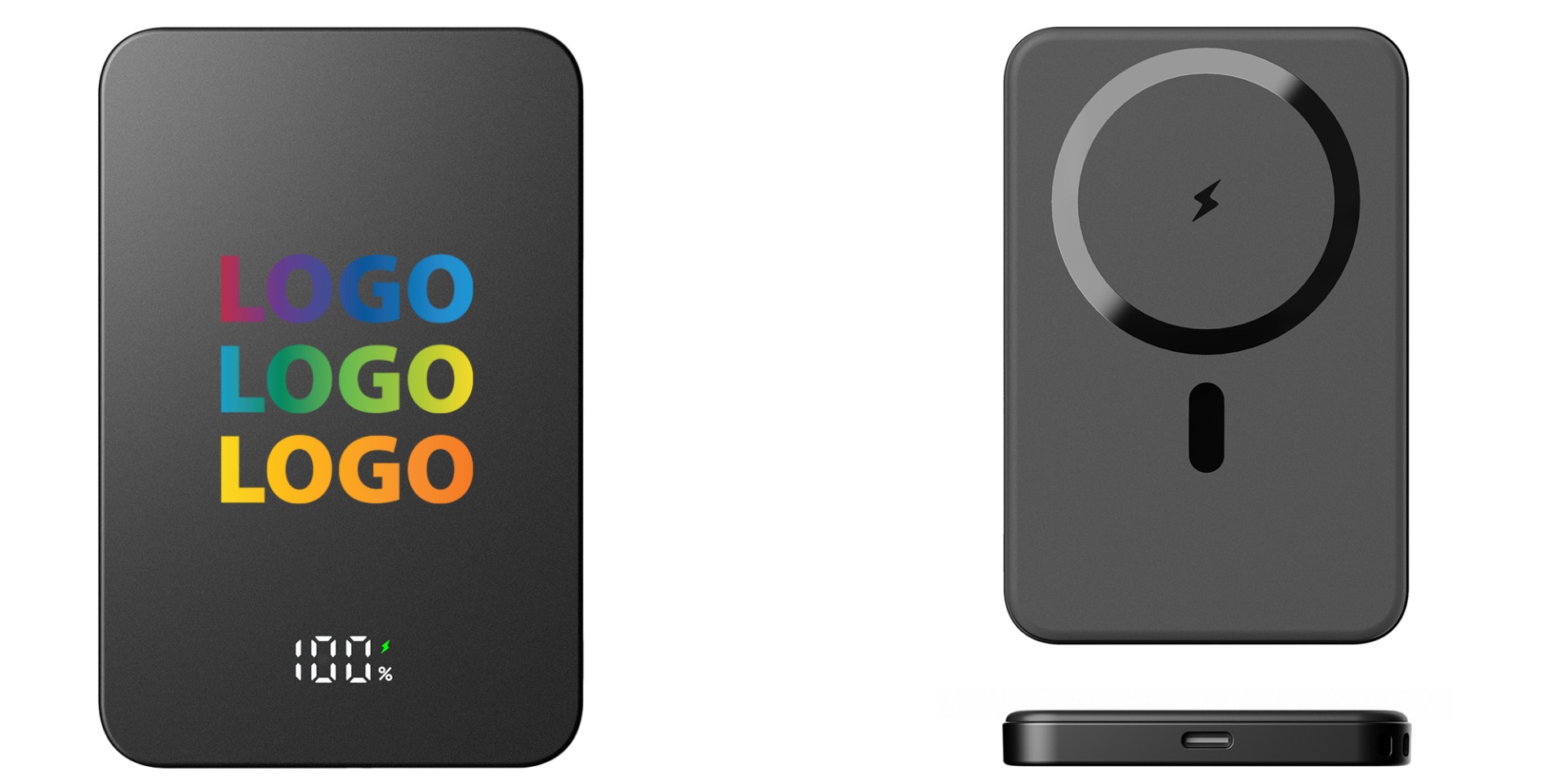
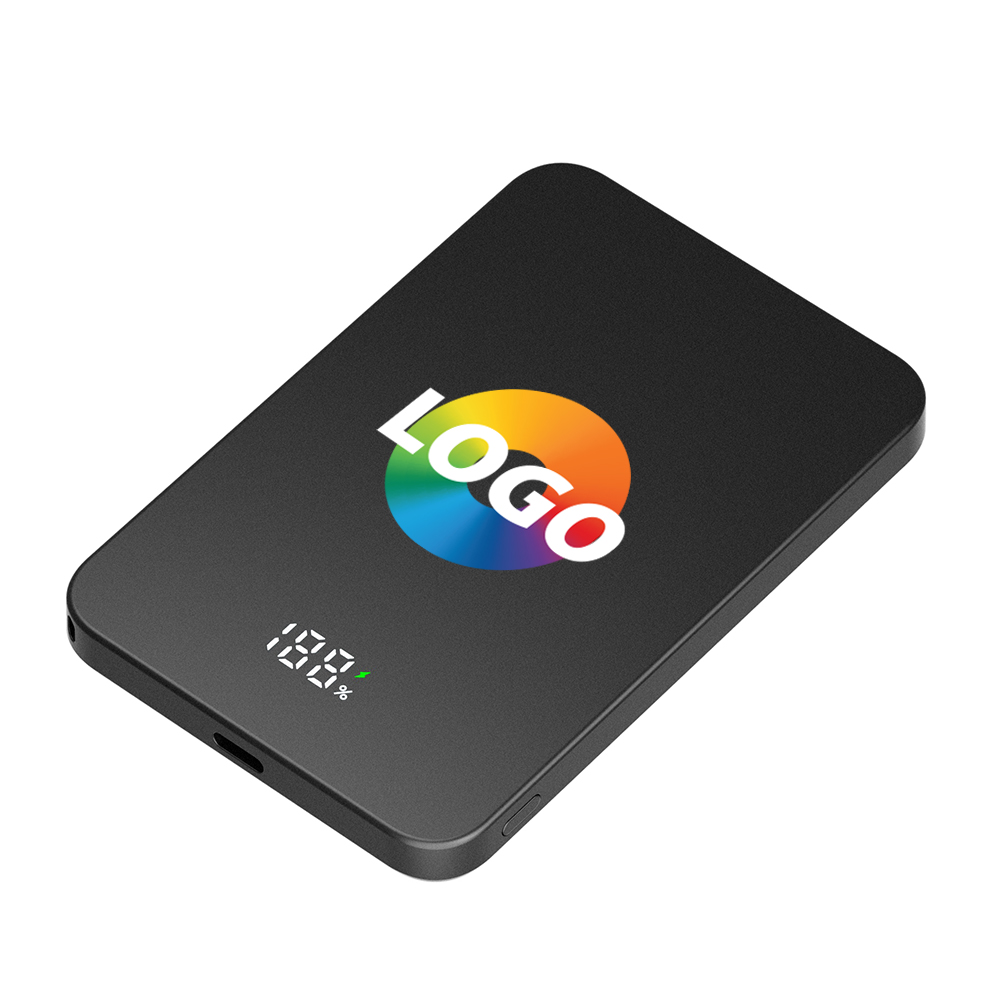
Solid state and semi-solid state power banks are fully brandable, just like any other promotional tech. Your logo, artwork, or full design can be printed in full colour CMYK. Bold graphics, brand colours, detailed illustrations. No restrictions on what you put on it.
Which should you choose?
There is no single right answer, and it heavily depends on what you need it for.
Full solid state makes sense for premium gifting, tech-forward campaigns, or any context where you want the product itself to be part of the story. The safety improvements and longevity gains are genuine. The cost premium is real too.
Semi-solid state is the practical middle ground. You get real performance improvements over standard lithium-ion without the full cost jump or the supply chain unpredictability. For most applications right now, this is the sweet spot.
Lithium-ion still makes sense for volume orders, tight deadlines, or any situation where consistency and availability matter most. The technology is mature, the pricing is predictable, and the quality is well established.